Relationship Therapy for Singles in Texas: Break the Pattern of Wrong Partners
INTRODUCTION
If you're tired of attracting the wrong partners, repeating the same relationship mistakes, or feeling stuck in painful dating patterns, you're not alone, and you're not broken. Many singles in Texas find themselves asking: "Why do I keep choosing people who can't meet my needs?" or "What's wrong with me that I can't find a healthy relationship?"
I'm Chryssee Wright-Ohiri, a licensed therapist at Hartford Place Counseling in Arlington, Texas. Over the past seven years, I've worked with singles throughout Texas who are ready to stop repeating unhealthy patterns and start building the kind of love they truly deserve. What I've learned is this: the answer isn't out there in the dating pool, it's in understanding yourself, healing your past relationship wounds, and becoming emotionally available before your next relationship begins.
Relationship therapy for singles isn't about fixing what's "wrong" with you. It's about understanding why you're drawn to certain types of people, breaking free from childhood patterns that no longer serve you, and developing the self-worth and relationship habits that will help you attract truly fulfilling connections.
ARTICLE OUTLINE
In this guide to relationship therapy for singles in Texas, you'll discover:
- Why you keep attracting the wrong partners and how to change that
- How childhood wounds affect your adult dating patterns
- The role of attachment and schema therapy in healing relationship issues
- Building self-worth and emotional availability
- When to seek relationship counseling before dating again
- What virtual therapy throughout Texas looks like
WHY DO I KEEP ATTRACTING THE WRONG PARTNERS?
This is the question I hear most often from singles who reach out for relationship counseling: "Why do I always end up with people who are emotionally unavailable?" or "Why do I keep dating the same type of person, just with a different face?"
Here's the truth: you're not actually "attracting" the wrong partners. You're unconsciously drawn to people who feel familiar based on your earliest relationship experiences. Your brain recognizes certain patterns from childhood and says, "This feels like home," even when "home" wasn't particularly healthy or safe.
As a therapist specializing in attachment therapy and schema therapy, I help singles understand that these dating patterns aren't random and they're not your fault. They're learned survival strategies from childhood that made perfect sense then but are creating pain now. Here's what's often happening:
You're repeating childhood dynamics: If you had a parent who was inconsistent, critical, or emotionally distant, you might find yourself drawn to romantic partners who behave the same way. Your unconscious mind is trying to "fix" the original relationship by getting the unavailable person to finally choose you.
You're seeking validation from the wrong sources: Many of my clients grew up feeling like they had to earn love through performance or people-pleasing. As adults, they attract potential partners who reinforce that same dynamic, people who make them work hard for scraps of affection instead of offering genuine, consistent love.
You're protecting yourself from real intimacy: Sometimes singles tell me, "I keep choosing unavailable people," but when we dig deeper, we discover that being with someone unavailable actually feels safer. If the other person can't fully commit, you never have to risk being truly seen and vulnerable.
Relationship therapy for singles helps you identify these unconscious patterns so you can make different choices. When you understand why you're drawn to certain people, you can start choosing partners based on compatibility and genuine connection rather than unconscious familiarity.
HOW CHILDHOOD WOUNDS AFFECT YOUR DATING LIFE
Your past relationship experiences, especially from childhood, shape your relationship patterns more than you might realize. This isn't about blaming your parents or dwelling on the past. It's about understanding how early experiences created a template for what love "should" feel like.
As someone trained in both attachment therapy and schema therapy, I work with singles to understand how their early life experiences show up in dating today. Here are common patterns:
Fear of abandonment: If you experienced neglect or inconsistent care as a child, you might cling to relationships even when they're unhealthy. You may constantly seek reassurance, feel panicked when your partner pulls away, or stay in situations that aren't good for you because being alone feels unbearable.
Fear of intimacy: If getting close to people in childhood meant getting hurt, you might push away anyone who tries to get truly close. You may sabotage promising connections or always keep one foot out the door "just in case."
Low self-worth: If you grew up feeling like you weren't enough, you carry that belief into your dating life. You might settle for less than you deserve, tolerate disrespect, or believe that anyone who truly wants you must have something wrong with them.
Perfectionism and control: If your childhood felt chaotic, you might try to control everything in your adult relationships. You may have impossibly high standards for potential partners or struggle with the vulnerability required for real connection.
The good news? These relationship wounds can heal. Through relationship therapy, you can identify the specific patterns holding you back, understand where they came from, and develop new, healthier ways of relating to yourself and others.
BREAKING FREE FROM REPEATING RELATIONSHIP MISTAKES
One of the most frustrating aspects of struggling with dating is feeling like you're stuck on repeat. You end a relationship, promising yourself you'll do it differently next time, and then somehow find yourself in the exact same situation with a new person.
As a therapist who specializes in relationship counseling for singles, I help clients understand that breaking this cycle requires more than just "choosing better." It requires understanding what's driving your choices in the first place. Here's how relationship therapy helps:
Identifying your dating patterns: In therapy sessions, we'll look at your relationship history to identify patterns. Do you always attract people who need "fixing"? Do you lose yourself in relationships? Do you run at the first sign of conflict? Once we name the pattern, we can address it.
Understanding your triggers: Relationship therapy helps you recognize what triggers your old patterns. Maybe you meet someone who gives you intense chemistry, but that "spark" is actually your nervous system recognizing familiar dysfunction. Or maybe you feel bored with someone genuinely kind because "healthy" feels unfamiliar.
Developing self-awareness: Through counseling, you learn to pause between feeling and reacting. Instead of immediately pursuing someone who triggers your old patterns, you learn to notice what's happening and make a conscious choice.
Building new relationship habits: Therapy provides a safe space to practice new ways of relating. You learn to communicate your needs directly, set healthy boundaries, tolerate the discomfort of vulnerability, and recognize red flags early.
Many singles come to relationship counseling feeling discouraged, like they're doomed to repeat the same painful patterns forever. But I've seen countless clients break free from these cycles and build the loving relationship they've always wanted. The key is doing the inner work before jumping into the next relationship.
THE ROLE OF ATTACHMENT AND SCHEMA THERAPY FOR SINGLES
At Hartford Place Counseling, I use specialized approaches, attachment therapy and schema therapy, to help singles understand and transform their relationship patterns.
Attachment therapy focuses on understanding your attachment style, the way you learned to bond with others based on your earliest relationships. There are four main styles:
- Secure attachment: You feel comfortable with intimacy and independence
- Anxious attachment: You crave closeness but fear abandonment
- Avoidant attachment: You value independence and feel uncomfortable with too much closeness
- Disorganized attachment: You want closeness but also fear it
Understanding your attachment style helps explain why you do what you do in romantic relationships. The beautiful part? Attachment styles can change. Through relationship therapy, you can develop "earned secure attachment", learning to feel safe in intimacy even if that wasn't your early experience.
Schema therapy addresses the core beliefs you developed about yourself, others, and relationships. Common schemas that affect dating include:
- "I'm unlovable" (defectiveness schema)
- "People always leave" (abandonment schema)
- "I can't trust anyone" (mistrust schema)
- "I have to be perfect to be loved" (unrelenting standards schema)
- "My needs don't matter" (self-sacrifice schema)
These schemas operate like filters, shaping how you interpret dating experiences and who you're drawn to. Relationship counseling helps you identify your schemas, understand where they came from, and gradually replace them with healthier beliefs about your self-worth.
BUILDING SELF-WORTH AND EMOTIONAL AVAILABILITY
Here's a truth that might be hard to hear: until you develop a solid sense of self-worth and become emotionally available to yourself, you'll struggle to attract and maintain healthy relationships. This isn't about blame, it's about empowerment.
Many singles I work with in relationship therapy initially resist this idea. They say, "But I want a partner! That's why I'm here!" I get it. But trying to find love while feeling fundamentally unworthy is like trying to fill a bucket with a hole in it. The love never quite sticks.
Developing self-worth means learning to value yourself independent of external validation. It means knowing you're worthy of love, respect, and kindness, not because of what you do, but simply because you exist. In therapy sessions, we work on:
- Identifying the critical voice in your head and learning to challenge it
- Developing self-compassion instead of self-judgment
- Setting boundaries that honor your needs and values
- Making choices based on what you want, not what will make others like you
- Celebrating your strengths and accepting your imperfections
Becoming emotionally available means being willing to be honest, vulnerable, and present in your relationships, starting with the relationship you have with yourself. In relationship counseling, we work on:
- Learning to identify and express your feelings
- Tolerating the discomfort of vulnerability
- Staying present instead of shutting down when things get real
- Showing your authentic self instead of the version you think people want
- Taking emotional risks even when they feel scary
This inner work isn't easy, but it's essential. When you develop genuine self-worth and emotional availability, you naturally start attracting different types of potential partners, people who are also emotionally healthy and available.
OVERCOMING DATING ANXIETY AND FEAR
Dating anxiety is incredibly common among singles, especially those who've experienced past relationship trauma or breakup pain. You might feel anxious about putting yourself out there, fear being rejected, or worry that you'll never find someone compatible.
Fear of dating: If you've been hurt before, it makes perfect sense that you'd feel anxious about trying again. In counseling sessions, we address this fear by:
- Processing past relationship wounds so they don't control your present
- Challenging catastrophic thinking ("I'll be alone forever")
- Building confidence through gradual exposure to dating situations
- Developing coping strategies for managing anxiety
Fear of abandonment: This deep-rooted fear often stems from early life experiences of loss or inconsistent care. If you struggle with fear of abandonment, you might feel panicked when a date doesn't text back immediately or constantly seek reassurance. Through attachment therapy and schema therapy, we work on:
- Understanding where this fear originated
- Building a secure base within yourself
- Learning to tolerate uncertainty in early dating
- Developing trust gradually
Remember: the goal isn't to eliminate all anxiety. Some nervousness when meeting someone new is normal. The goal is to prevent anxiety from controlling your choices or keeping you stuck and alone.
WHEN TO SEEK RELATIONSHIP THERAPY AS A SINGLE PERSON
You might be wondering: "Why would I go to relationship counseling when I'm single?" The truth is, relationship therapy for singles is one of the most valuable investments you can make. Here are signs that relationship counseling could help:
- You keep repeating the same patterns
- You're recovering from a breakup
- You struggle with self-esteem
- You're afraid of intimacy or commitment
- You're dealing with past trauma
- You want to understand yourself better before dating
- You're ready to date intentionally
The best time to seek relationship counseling isn't when you're in crisis, it's when you're ready to invest in personal growth and create meaningful connections. By doing this work while you're single, you're setting yourself up for much healthier romantic relationships in the future.
WHAT TO EXPECT IN RELATIONSHIP THERAPY FOR SINGLES
When singles first reach out to Hartford Place Counseling, they often ask: "What will therapy actually look like?" Here's what you can expect:
Initial consultation: We'll start with a free 15-minute phone consultation where I learn about your relationship challenges. This helps us determine if we're a good fit.
Assessment and history: In our first therapy sessions, I'll learn about your relationship patterns, dating history, and childhood experiences. This creates a personalized treatment plan.
Identifying patterns: Together, we'll identify your attachment style, core schemas, and relationship habits. This self-awareness is the foundation for change.
Healing past wounds: We'll process past relationship trauma and childhood experiences affecting your ability to connect with potential partners.
Building new skills: You'll learn practical relationship skills like setting boundaries, communicating needs, recognizing red flags, and building self-worth.
My approach combines relationship counseling with attachment therapy and schema therapy, addressing both current patterns and their deeper roots. As I tell all my clients: therapy isn't about perfection, it's about progress. I'll meet you where you are with compassion, honesty, and practical tools that actually work.
VIRTUAL RELATIONSHIP THERAPY THROUGHOUT TEXAS
At Hartford Place Counseling, I offer virtual relationship therapy to singles throughout Texas. Whether you're in Arlington, Dallas, Fort Worth, Houston, or anywhere else in the state, you can access specialized counseling from the comfort of your own home.
Benefits of virtual therapy:
- Convenience—no commute means therapy fits your schedule
- Consistency—weather or traffic won't interrupt your progress
- Privacy—many prefer attending from their own safe space
- Accessibility—singles in smaller cities can access specialized therapists
Online therapy in Texas works beautifully for relationship counseling. Through virtual therapy sessions, I can see you, read your body language, and create the same warm, supportive environment you'd experience in in-person therapy.
I'm licensed to provide counseling services throughout Texas via telehealth, so no matter where you are, we can work together to transform your relationship patterns and prepare you for healthy, loving relationships.
TAKING THE NEXT STEP: GETTING STARTED
If you're ready to stop repeating relationship mistakes and build the self-worth necessary for truly fulfilling connections, I'm here to help.
At Hartford Place Counseling, my core values are compassion, connection, healing, and growth. I believe in creating a safe space for honest dialogue and lasting change.
Here's how to get started:
- Schedule a free 15-minute phone consultation: Call or text me at (817) 760-3626, or email hope@hartfordplace.com.
- Book your first session: We'll schedule your first virtual therapy session at a time that works for you. Evening and Saturday therapy appointments are available.
- Commit to the process: The most important thing you can bring is your willingness to be honest and stay committed.
- Trust that change is possible: With consistency, compassion, and the right therapeutic approaches, you can break free from old patterns and create the relationships you've always wanted.
You don't have to keep attracting the wrong partners. You don't have to stay stuck in painful dating patterns. Working with me means you'll have specialized knowledge in attachment therapy and schema therapy, genuine compassion for your journey, and practical tools that will transform not just your dating life but your entire relationship with yourself.
SUMMARY & NEXT STEPS
Relationship therapy for singles offers a powerful path from painful patterns to healthy, fulfilling connections. By understanding your attachment style, healing past relationship wounds, and building genuine self-worth and emotional availability, you can break free from repeating relationship mistakes.
At Hartford Place Counseling, I bring seven years of experience, specialized training in attachment and schema therapy, and deep compassion to every single I work with. Whether you're in Arlington or anywhere else in Texas, virtual therapy makes this transformative counseling accessible from home.
Change is possible. You are not alone. And the healthy, loving relationship you long for starts with the relationship you build with yourself.
Ready to break free from painful dating patterns? Contact Hartford Place Counseling today at (817) 760-3626 or hope@hartfordplace.com to schedule your free 15-minute phone consultation. Let's begin the work of healing, growth, and creating the love you truly deserve.
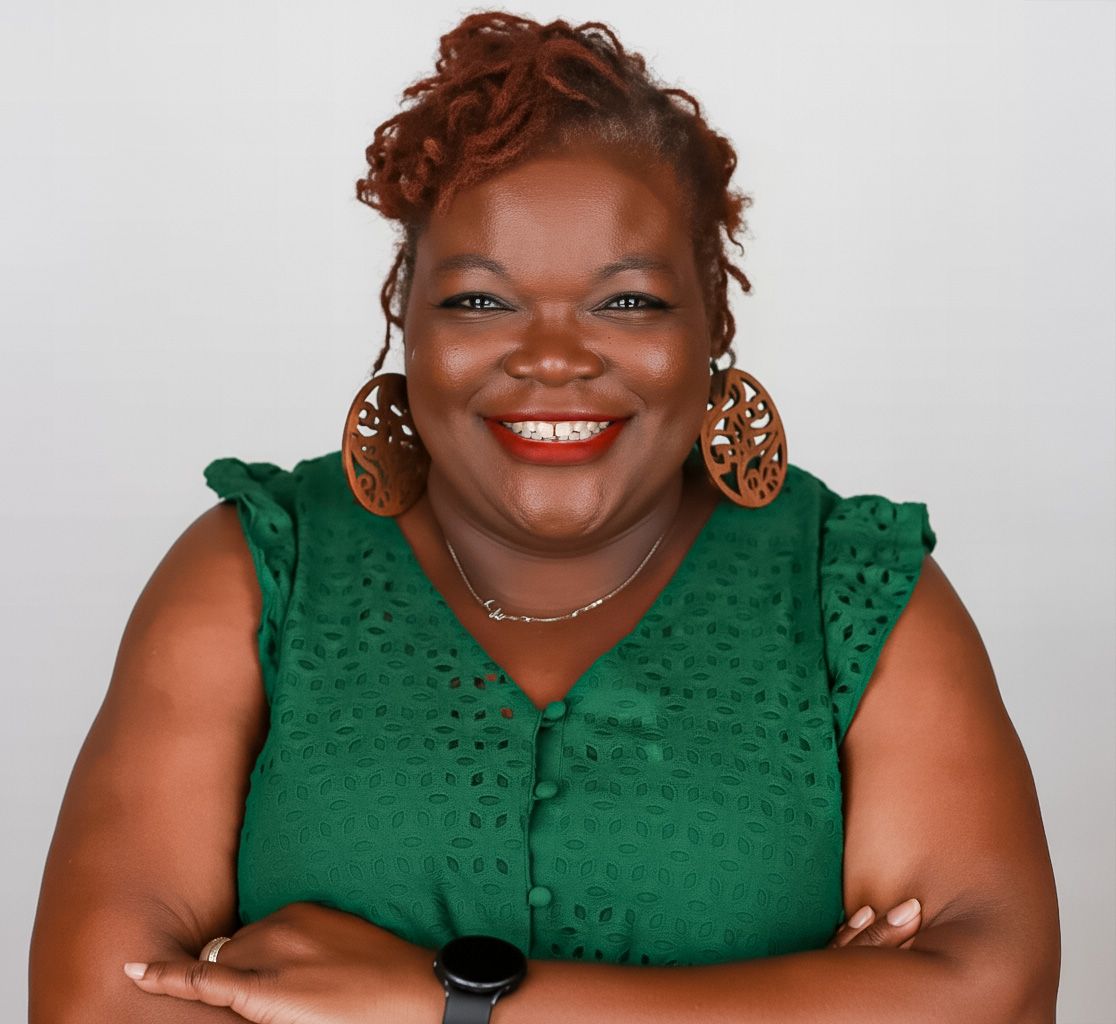
I'm Chryssee Wright
A licensed therapist and certified Imago relationship therapist at Hartford Place Counseling in Arlington, Texas. For over seven years, I've helped couples and singles throughout Texas break free from painful patterns and build the relationships they deserve.
My approach combines Imago therapy, attachment therapy, and schema therapy to address both current struggles and their deeper roots. I bring not just clinical expertise, but lived experience, I've done my own healing work. Whether you're stuck in the same arguments, attracting the wrong partners, or feeling disconnected, I'm here to help. Therapy isn't about perfection, it's about progress.
Our Recent Posts:

Ready to get Started?
Whether you're a couple stuck in the same arguments or a single tired of attracting the wrong partners, change is possible. I offer virtual therapy throughout Texas, making it easy to get the support you need from the comfort of your own home.
Recent Posts